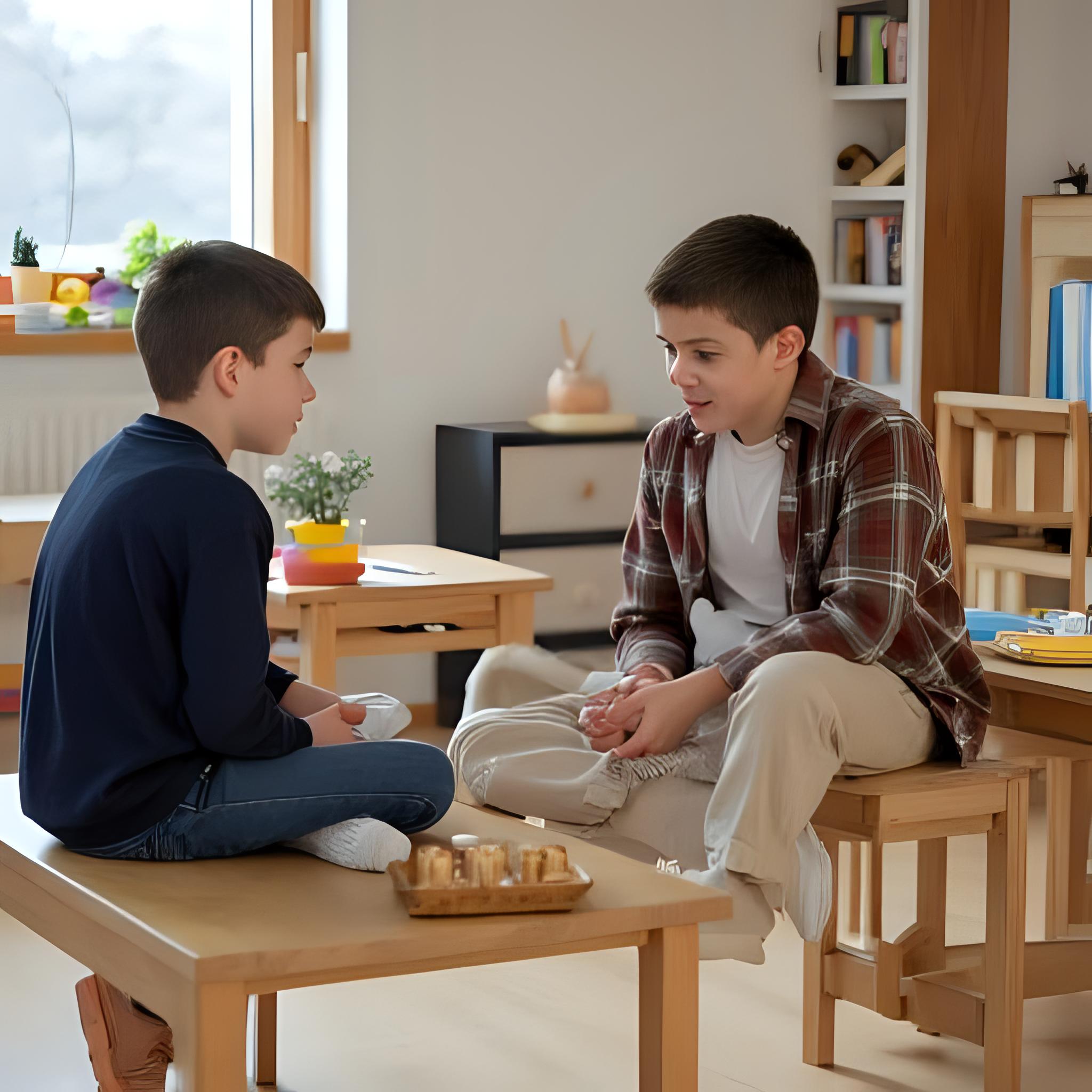
Choosing an Education That Lets Your Child’s Strengths Lead
Children arrive in this world full of vibrancy — curious thinkers, natural makers, and vivid explorers. When parents search for the right school, they’re rarely just comparing programs or schedules. They’re searching for a place where that brilliance can grow — a place that honors who their child is and who they are becoming.
Many families first encounter schools that feel familiar: predictable routines, rows of desks, primary color bulletin boards, and conversations centered on test scores and gifted programs. There’s comfort in what we recognize — but familiarity isn’t the same as fit.
Children learn best when their environment expands with them — when it honors their pace, their strengths, their personality, and the spark that makes them who they are.
For the Parents Who Chose a More Personalized Path
If you’ve already taken this step, you did it because you noticed something in your child — a strength or spark that couldn’t be measured by a number or quieted by more structure. You trusted that your child would thrive in a school that understands how they think, learn, and move through the world.
As your child gains confidence, voice, and a stronger sense of who they are, you may feel compelled to share this experience — not to persuade, but to widen what people imagine school can be. Once you’ve seen learning aligned with a child’s nature, it becomes difficult to accept environments that ask children to adapt at the cost of themselves.
At Voyagers’ Community School, families don’t just enroll. They become part of a living community grounded in a shared belief: education should help children grow into thoughtful, capable, self-assured people who contribute meaningfully to the world.
Children Are Not Problems to Solve — They Are Possibilities to Support
Many families come to us after trying everything they knew to help a child succeed — extra homework, more structure, added services – out of deep care and commitment. But what they really needed wasn’t more pressure; they needed a learning environment that could see their strengths clearly.
Children communicate in countless ways — through building, storytelling, questioning, designing, exploring, experimenting, and collaborating. They show us who they are in their actions, interests, and ideas.
When a child is expected to learn in only one or two narrow ways, it’s easy for them to feel like an outsider. But when we create space for many ways of learning, we discover abilities that may have gone unnoticed.
At Voyagers’, we understand that children aren’t made of one or two shades — they’re made of a full spectrum.
What Happens When Learning Honors Who a Child Truly Is
At our school, we’ve seen remarkable transformations:
- The thoughtful child who steps into leadership when trusted with a camera
- The hands-on builder who thrives when given real tools and real projects
- The reflective writer who discovers their voice while crafting a memoir
- The energetic learner who grasps complex math because movement helps them think
When education is personal, dynamic, and rooted in curiosity, students do more than absorb information. They grow into capable, confident thinkers. They take initiative. They trust their ideas. They engage fully in their learning.
This is the kind of growth that lasts a lifetime.
Why This Decision Can Feel So Big
Even when parents know a personalized approach feels right, it’s natural to wonder:
Will my child stay on track?
Will others understand this choice?
What will this mean for the future?
These questions come from wanting the very best for your child.
Yet here’s something just as important to consider:
What if the things that matter most — confidence, curiosity, perseverance, joy — grow strongest in an environment designed around your child’s strengths?
If School Looks Different, Is It Still School?
Absolutely — and often in the most meaningful ways.
A field transformed into a science lab.
A studio buzzing with invention.
A kitchen where fractions make sense through cooking.
A nature trail that becomes a writing workshop.
A student-led business that teaches real responsibility.
A community where children feel seen, valued, and supported.
Choosing the right-fit school is about building an education that prepares children to think clearly, solve problems creatively, and step into the world with confidence.
So Perhaps the Real Question Is This:
What if Voyagers’ offers the environment your child has been waiting for?
A place where they can feel:
Capable
Understood
Inspired
Connected
Excited to learn every day
Some children simply shine more brightly when they’re surrounded by a community that knows how to nurture their gifts.
A Quiet Invitation
You don’t need every answer to begin exploring the right educational path. You only need the willingness to imagine a school experience that expands your child’s world.
If this message reflects something you’ve sensed but haven’t always been able to articulate, feel free to share it. And if you’re curious about what this kind of learning could look like for your child, consider visiting Voyagers’ Community School.
Many remarkable children are waiting for a place where they can grow into their full potential.
Exploring schooling from a renewed vantage point can open new possibilities for your child.