-
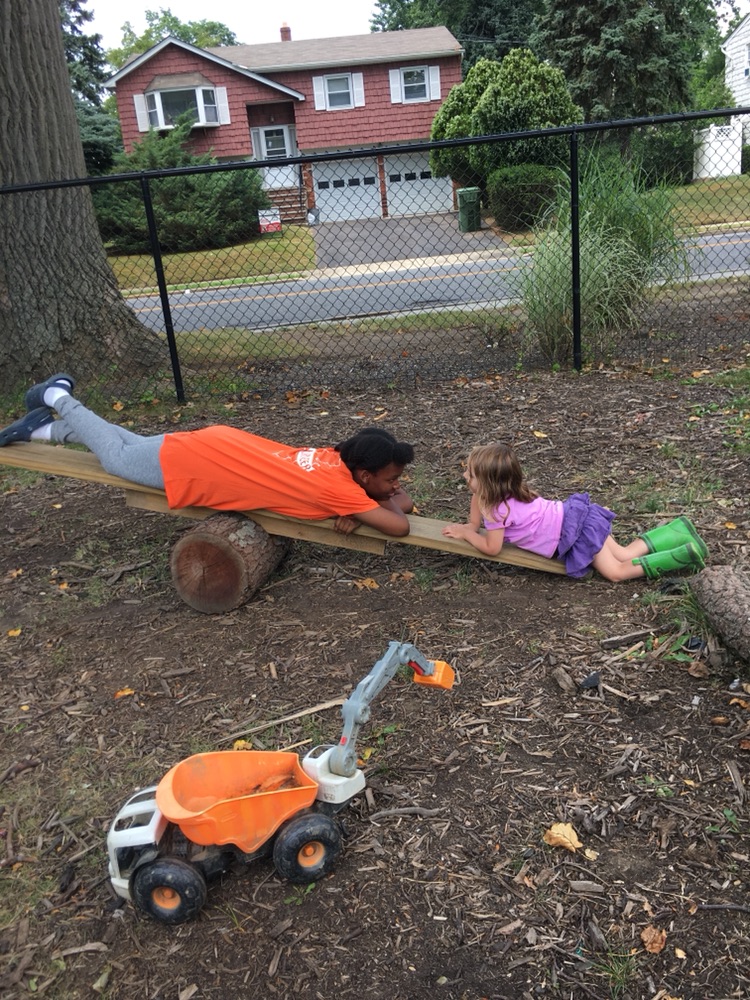
Harnessing Nature: Experiential Learning in Physics
Read MoreStudents explore physics and engineering by building a water wheel to generate electricity, blending hands-on learning, outdoor education, and real-world problem-solving in a dynamic STEAM project. -
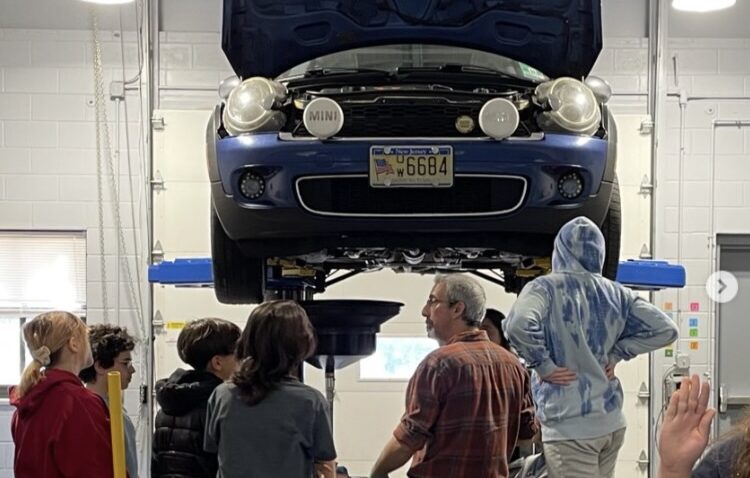
Experiential Learning Through Social Constructivism
Read MoreVoyagers' Community School fosters experiential learning through social constructivism, empowering students from preschool to high school to explore, question, and build knowledge collaboratively. -
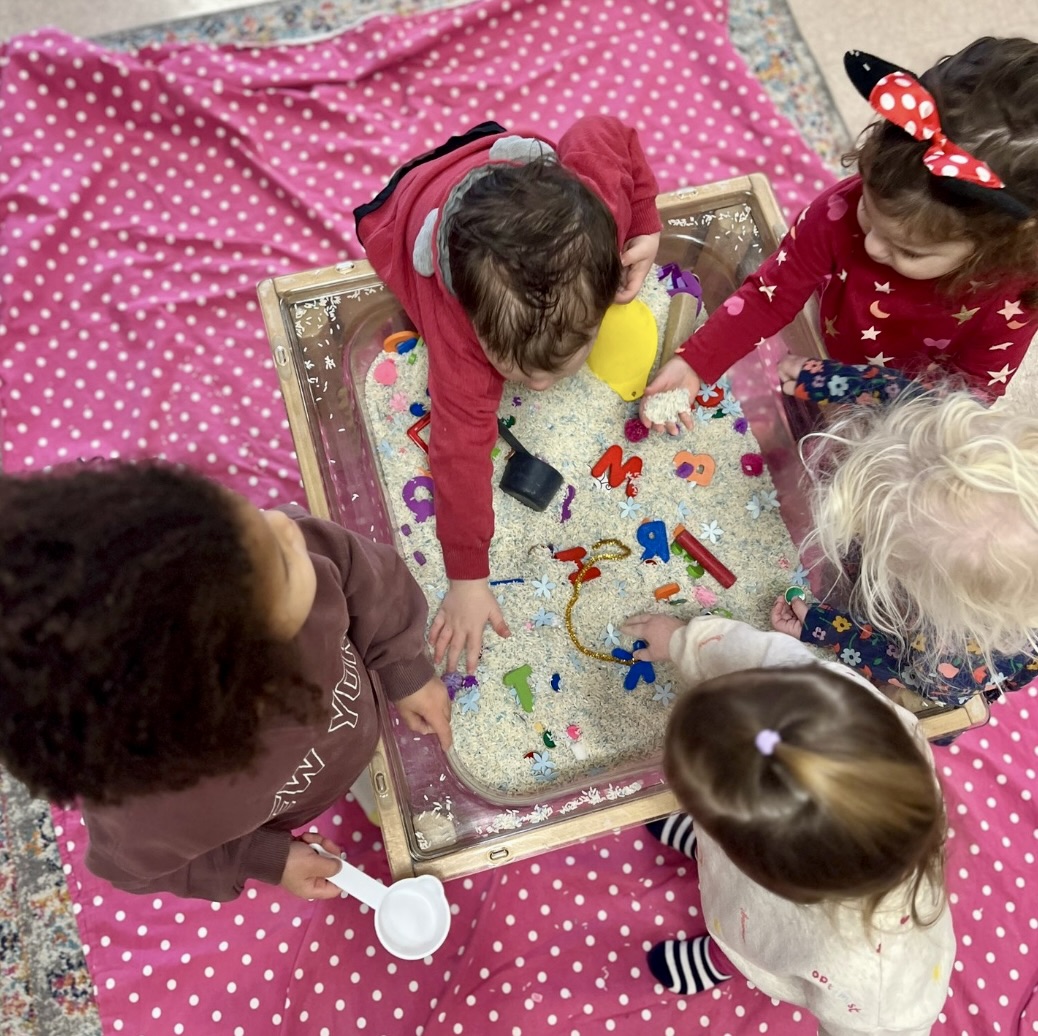
Process Over Product In Early Childhood Education
Read MoreAt Voyagers’ Community School, we value process over product, encouraging children to explore materials, make creative choices, and build confidence through open-ended, hands-on learning experiences that foster curiosity and innovation. -
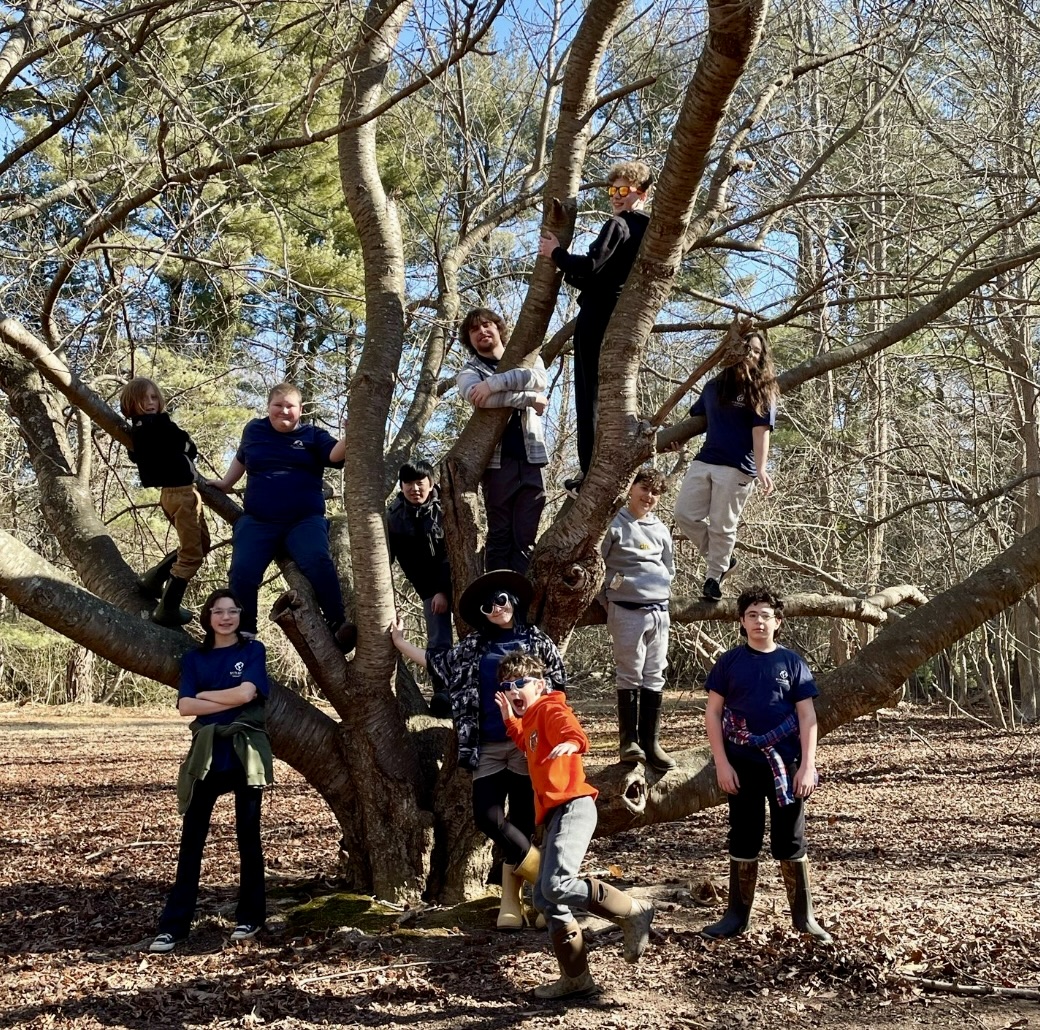
Let’s Go Outside
Read MoreVoyagers Community School embraces outdoor learning, using nature as a classroom to foster curiosity, resilience, and growth—enhancing academics, social skills, and well-being in all seasons. -
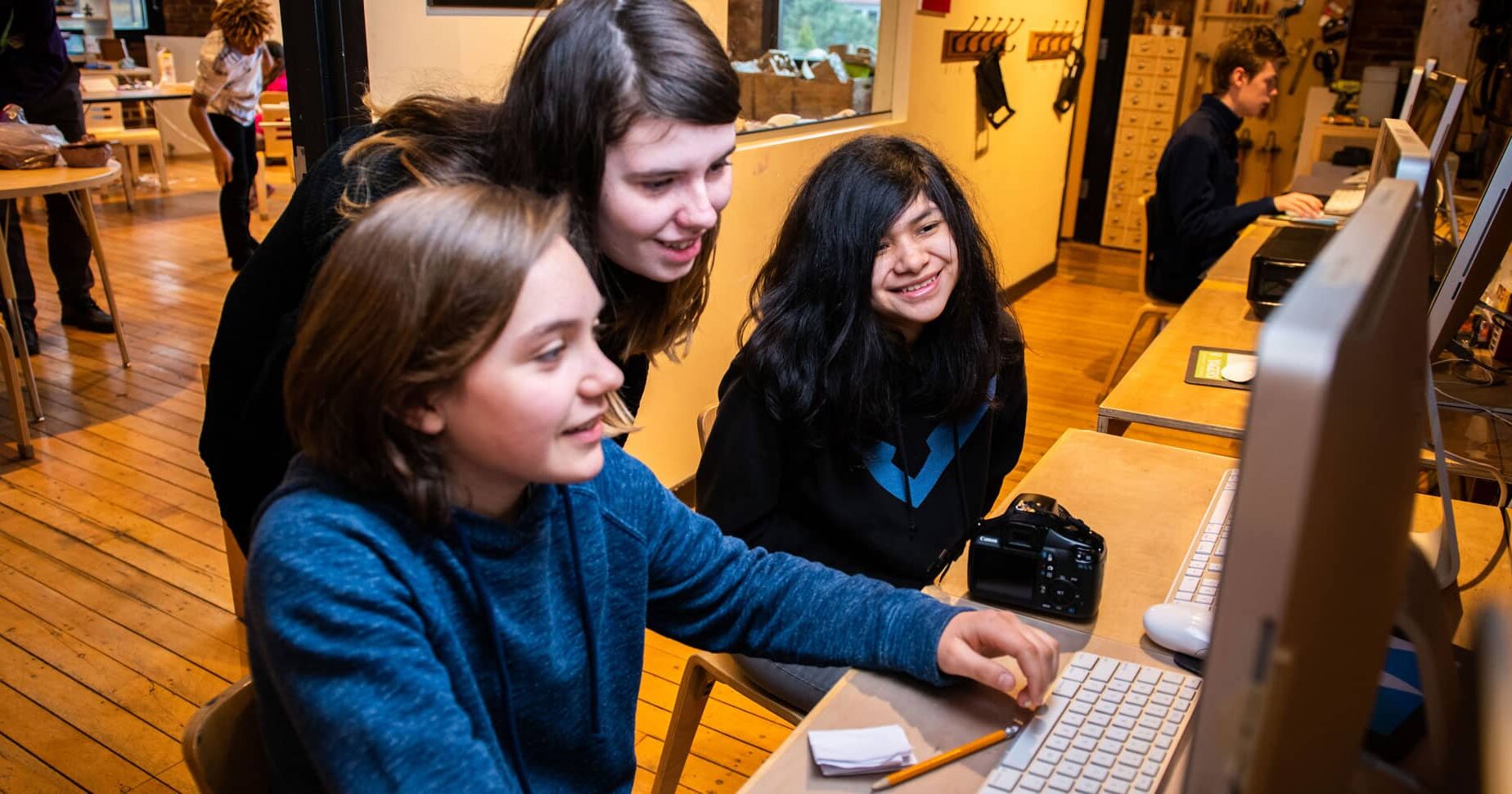
Raising AI-Savvy Kids: Why AI Literacy is the Key to Their Future
Read MoreIn a world increasingly shaped by artificial intelligence (AI), teaching children AI literacy is no longer a luxury—it's a necessity. It's about teaching children to think critically, adapt to change, and navigate… -
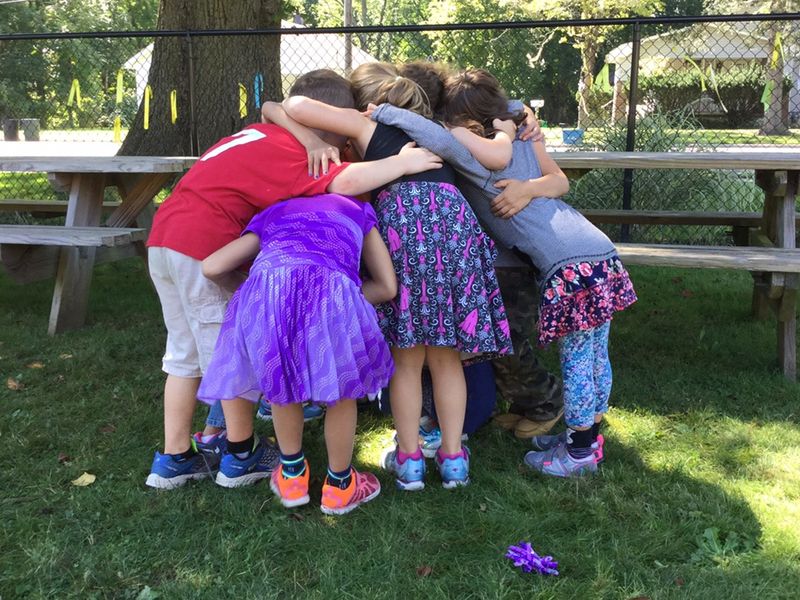
Supporting Families: Fostering Emotional Honesty and Connection
Read MoreLearn how Voyagers’ Community School supports families by fostering emotional honesty, resilience, and meaningful connections through shared strategies for emotional growth and embracing what truly matters. -
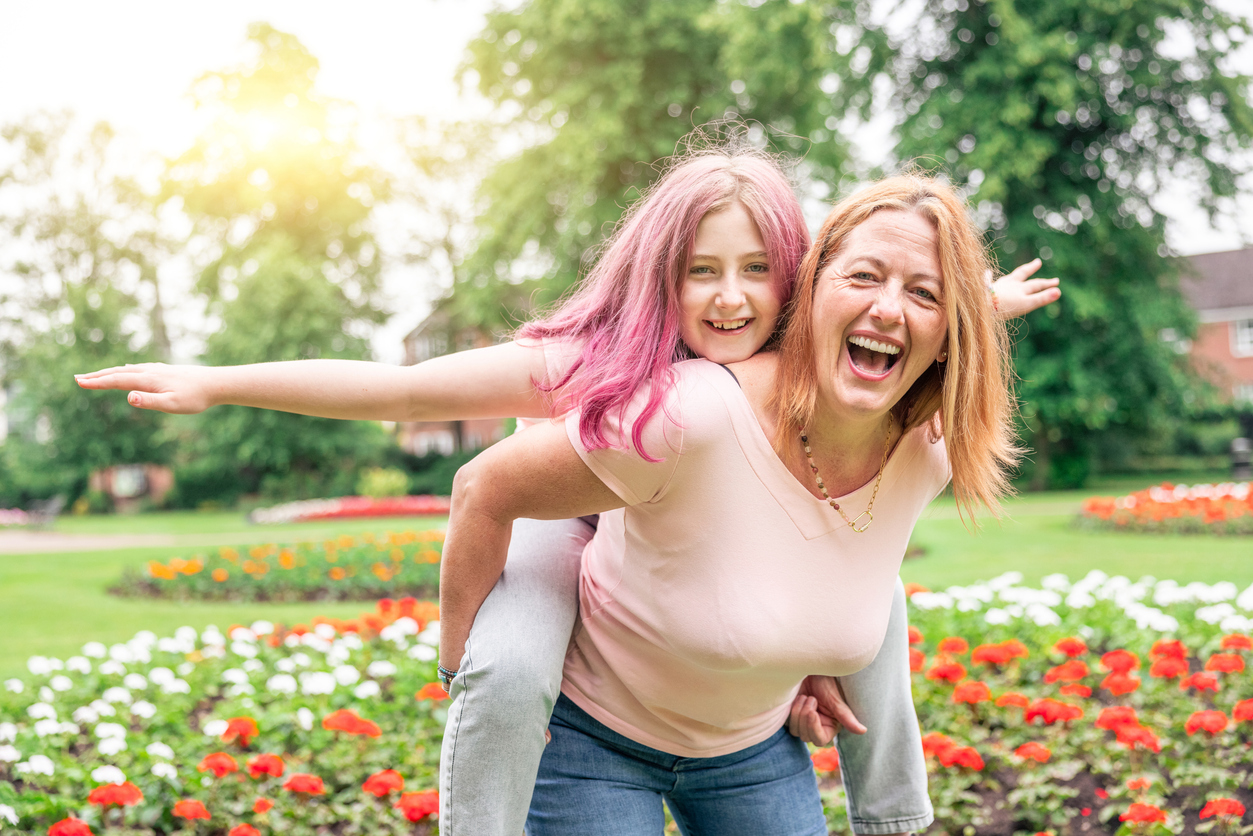
Let Them Be Kids: Preserving Childhood in a Fast-Paced World
Read MorePreserve the magic of childhood! Explore why ages 0-18 are vital for growth, creativity, and connection, and learn how to avoid rushing kids into adulthood prematurely. -
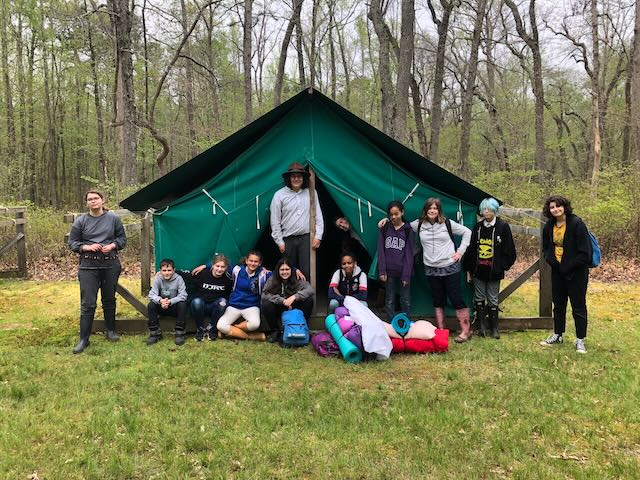
Why Choose a School That Takes Students Outdoors?
Read MoreIt's no secret that our children are becoming increasingly distant from the natural world. With a greater dependence on technology, virtual relationships, and indoor activities, many children rarely experience the outdoors.