
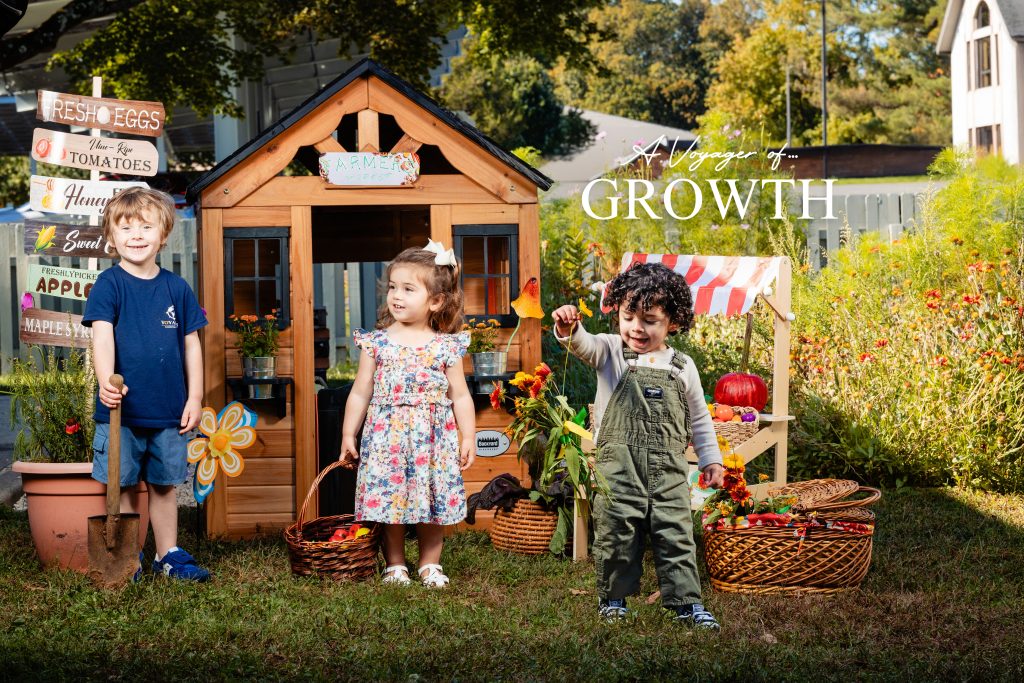
Preschool
A Reggio-Inspired Preschool in Monmouth County, NJ Where Children Build Confidence, Curiosity, and Strong Foundations for Life
At Voyagers’, children learn through play, storytelling, art, movement, outdoor exploration, conversation, and meaningful relationships. Our Reggio-inspired preschool program in Monmouth County, NJ supports early literacy, communication, problem solving, social-emotional growth, and independence within a warm, joyful community where children are deeply known.
We are inspired by the principles of Reggio Emilia and Montessori education, with an emphasis on carefully prepared environments, gentle transitions, outdoor experiences, creativity, independence, and close partnership with families. Children move through our classrooms as they grow and learn, developing a strong sense of belonging, continuity, confidence, and trust within a caring community.
What Children Build At Voyagers’
Children at Voyagers’ are supported in developing:
- confidence and communication
- early literacy and language foundations
- mathematical thinking through real experiences
- independence and self-help skills
- collaboration and conflict resolution
- creativity and flexible thinking
- emotional awareness and self-regulation
- curiosity, focus, and problem solving
- comfort outdoors and connection to nature
These capacities grow through meaningful play, relationships, storytelling, artistic expression, movement, investigation, and thoughtful guidance from experienced educators.
Our child became more confident, expressive, and excited to learn
than we ever imagined possible.— Voyagers’ Preschool Parent
Our Preschool Approach
Across all preschool classrooms, children experience:
- Warm, responsive relationships with consistent teachers
- Carefully designed spaces that encourage curiosity, exploration, and independent discovery
- Predictable yet flexible daily rhythm shaped by children’s needs
- Time for movement, play, creativity, reflection, and rest
- Indoor and outdoor learning experiences throughout the day
- opportunities for conversation, collaboration, problem solving, and meaningful exploration
Our environments are designed to support both independence and connection, allowing children to feel secure, capable, curious, and deeply engaged in the world around them.
A Gentle Daily Rhythm
Preschool days at Voyagers’ are predictable enough to help children feel secure and flexible enough to respond to children’s needs, interests, energy, and emerging ideas.
- arrival, connection, and morning exploration
- gathering, stories, songs, and conversation
- project work, sensory experiences, art, building, and investigation
- outdoor play and movement
- lunch, rest, and quiet rhythms
- reflection, storytelling, and closing routines
This rhythm gives children the comfort of consistency while leaving room for curiosity, relationships, and meaningful learning to unfold.
Our Preschool Communities (6 months–5 years)
Explore the classroom stages below. Children move through our preschool community as they grow, supported by consistent relationships and gentle transitions.
Infants (6–17 months)
Secure attachment and sensory discovery
Explorers (18–26 months)
Independence, language, and joyful movement
Navigators (27-39 months)
Inquiry, collaboration, and growing confidence
Adventurers (3.5 – 5 years)
Leadership, initiative, and emerging independence

Infants (6–17 months)
Infants are cared for within a calm, relationship-centered environment where trust, connection, movement, and sensory exploration shape each day. Teachers respond thoughtfully to each child’s rhythms, cues, needs, and emerging interests, creating a strong foundation of safety, confidence, and belonging.
Learning begins through the body, the senses, and relationship. Infants spend their days rolling, crawling, pulling up, cruising, listening, touching, observing, and exploring the world around them. Teachers extend curiosity through language, repetition, rhythm, music, and gentle invitation rather than interruption or overstimulation.
Daily experiences may includes:
- language-rich interactions through music, books, storytelling, and conversation
- uninterrupted time for sensory exploration and movement
- warm, responsive caregiving with consistent teachers
- indoor and outdoor experiences that support physical, emotional, and cognitive development
- thoughtfully prepared spaces that encourage curiosity and early independence
Every aspect of the infant environment is designed to help children feel safe, capable, deeply cared for, and free to grow at their own pace.
Explorers (18–26 months)
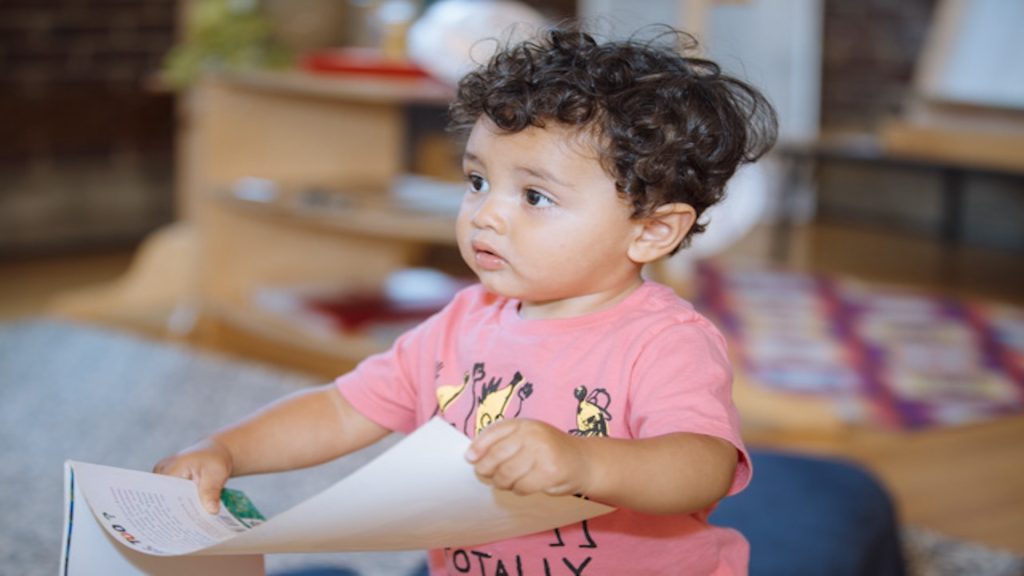
Explorers are busy discovering both the world and themselves. At this stage, children develop increasing independence while still relying deeply on consistent relationships, repetition, rhythm, and emotional connection. Teachers support this balance by creating environments that encourage autonomy while honoring each child’s need for securitytrust, and connection.
Children engage daily in movement, sensory exploration, early problem solving, language development, music, outdoor play, and meaningful social interaction. Teachers remain present and responsive—guiding social experiences, supporting emotional expression, and helping children navigate new experiences with growing confidence and curiosity.
Daily experiences may include:
- climbing, carrying, building, sorting, dancing, and sensory exploration
- rich language experiences through songs, books, storytelling, and conversation
- open-ended materials that encourage experimentation and discovery
- indoor and outdoor environments that support movement and growing independence
- consistent routines that help children feel secure, confident, and capable
Time is intentionally unhurried, allowing children to repeat experiences, test ideas, build confidence, and develop trust in themselves and the world around them.
Adventurers (3.5–5 years)
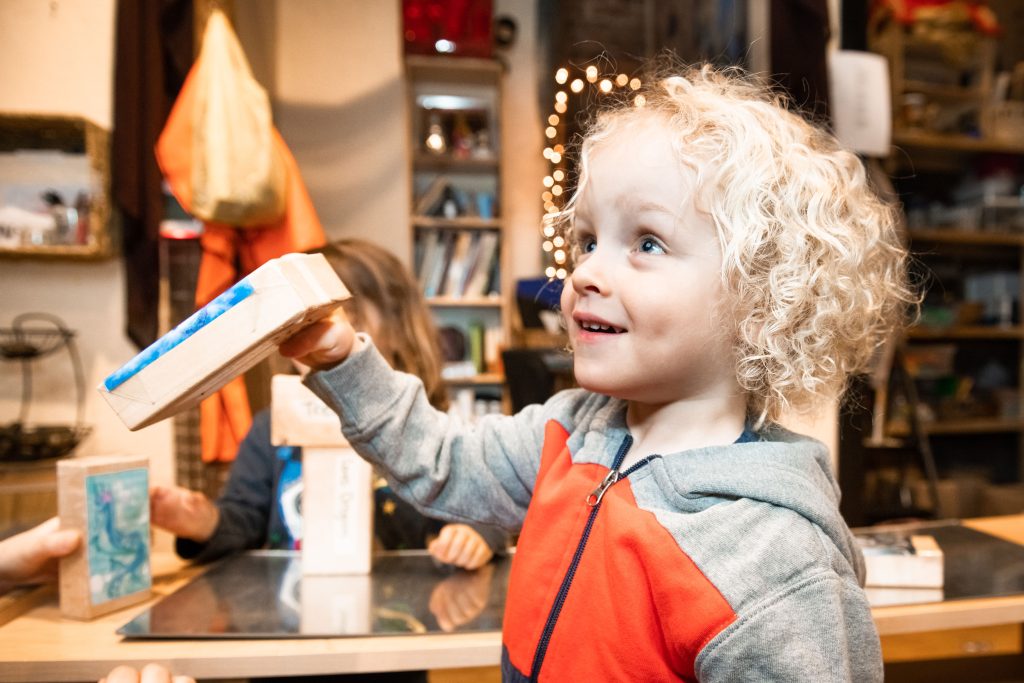
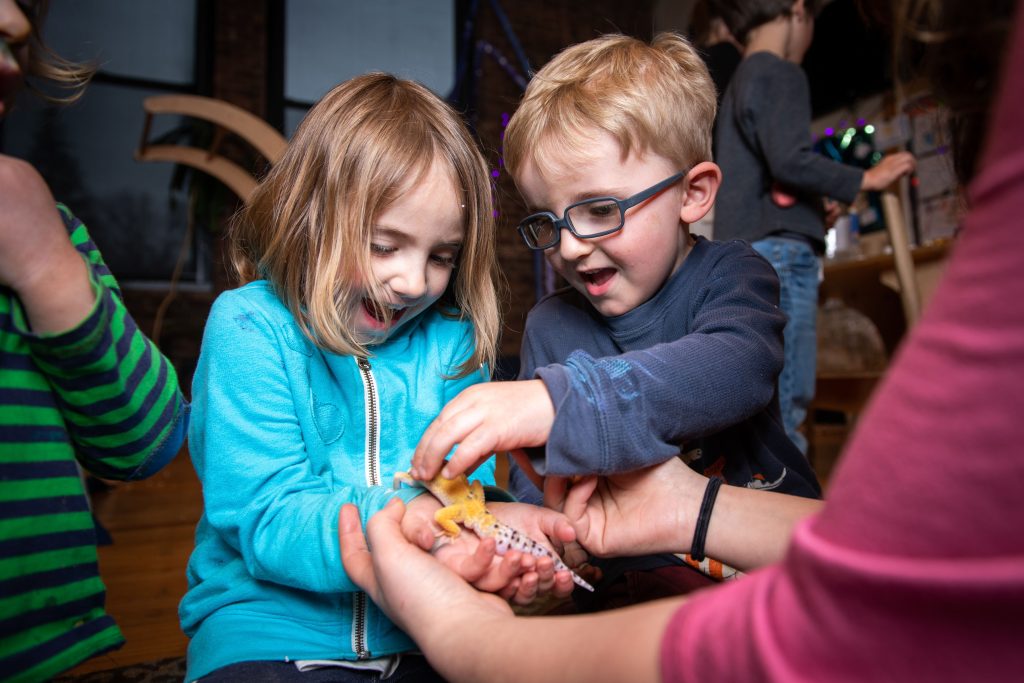
Adventurers engage deeply in collaborative learning, long-term project work, problem solving, creative expression, and increasingly complex investigation. Children at this stage are thoughtful, capable, imaginative, and eager to contribute meaningfully to their classroom community.
Teachers support children in developing independence, responsibility, communication skills, self-awareness, and intellectual confidence through rich academic experiences woven naturally into project-based and inquiry-driven learning. Literacy, mathematical thinking, science, art, dramatic play, outdoor exploration, and collaborative investigation are integrated throughout the day in purposeful and meaningful ways.
Daily experiences may include:
- long-term project work and collaborative investigations
- storytelling, early reading and writing, mathematical reasoning, and scientific inquiry
- leadership opportunities, classroom responsibilities, and community participation
- artistic expression, design, construction, movement, and dramatic play
- outdoor exploration and real-world experiences that deepen curiosity and understanding
By the end of the Adventurers years, children are increasingly confident learners who approach the world with curiosity, empathy, resilience, creativity, and a strong sense of self. They are ready for the elementary years ahead—academically, socially, and emotionally.
Teacher/Researchers & Mentors
At Voyagers’, preschool educators are observers, researchers, collaborators, mentors, and caregivers. Teachers listen closely to children’s questions, rhythms, interests, and ideas, designing classrooms and experiences that support deep engagement, confidence, curiosity, and connection.
Relationships are at the heart of our preschool community. Children are deeply known by the adults beside them, creating the trust and continuity that allow learning, independence, communication, and belonging to grow naturally over time.
Teachers document learning, guide social experiences, support emotional development, and thoughtfully extend children’s thinking through conversation, materials, storytelling, investigation, and meaningful play.
Collectively, our preschool educators bring decades of teaching experience alongside ongoing professional study in child development, progressive education, literacy, social-emotional learning, inquiry-based practice, and contemporary research on how children learn best.
Sometimes Families Wonder…
Will my child be known as an individual—or lost in a large group?
Will there be enough space, time, and freedom to move and explore?
How experienced and supported are the teachers guiding my child each day?
Will my child feel engaged, comfortable, and genuinely cared for?
A visit is simply an opportunity to explore whether your child might feel more connected, confident, challenged, and alive in this kind of environment.
Ready to Visit?
The best way to understand Voyagers’ is to experience it firsthand. Schedule a conversation, ask questions, and explore whether our community feels like the right place for your child and family.