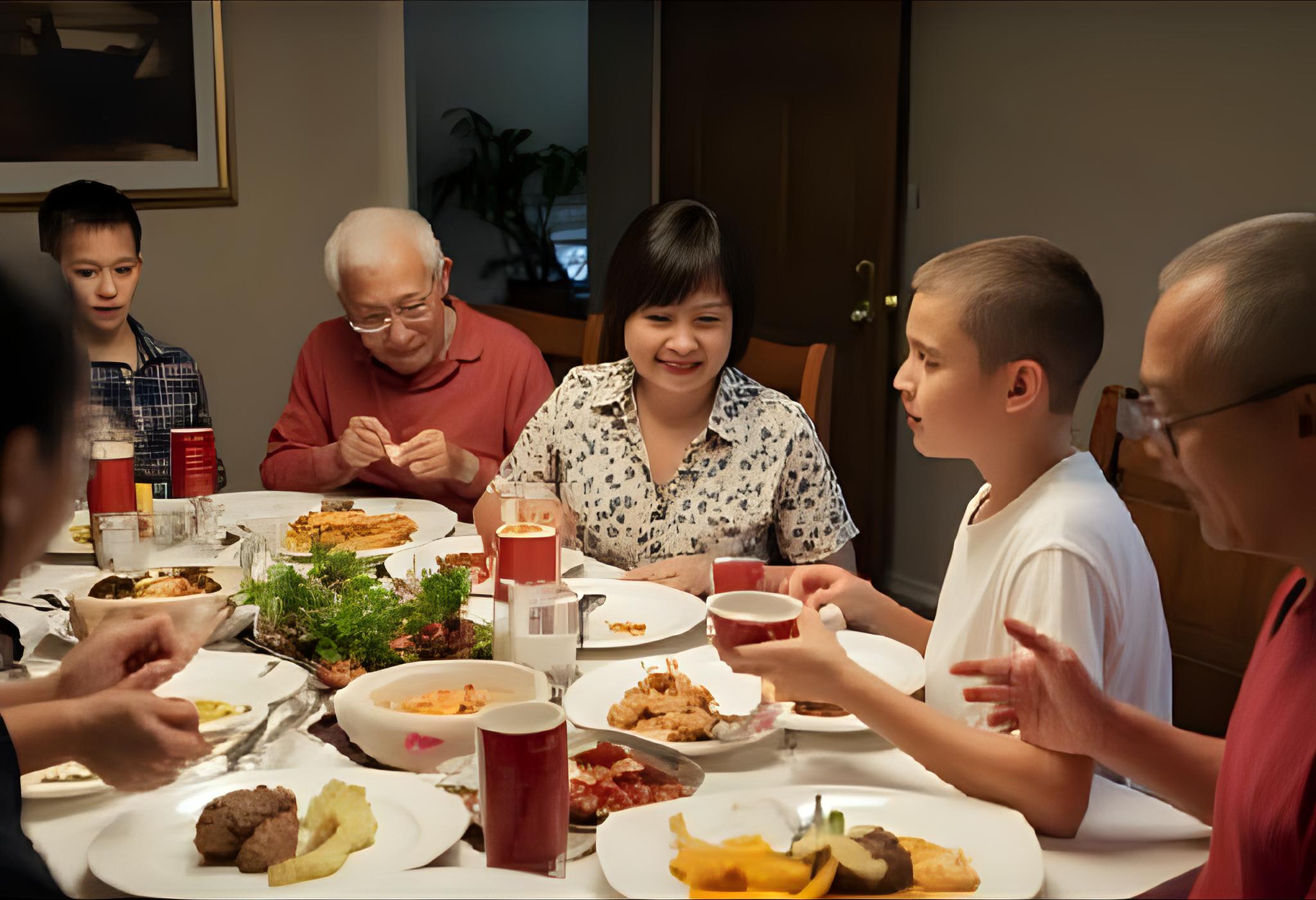
How to make the season feel calm, joyful, and inclusive.
The holidays are often described as magical — glowing lights, music in the air, gatherings with friends and family. But for many sensory-sensitive children, this time of year can bring something very different: overwhelming sounds, unexpected changes, bright lights, crowded rooms, and unfamiliar expectations.
The good news? With a bit of planning and empathy, the holidays can be transformed into experiences that feel safe, joyful, and truly accessible for every child.
Here are five ways to help sensory-sensitive kids enjoy the season — in their own way, and at their own pace.
1. Prepare Kids for What to Expect
Holiday events often come with new sights, smells, sounds, and people. Before going somewhere unfamiliar, gently walk your child through what they might experience. You might:
-
Show pictures of the space or people who will be there
-
Talk about the schedule ahead of time
-
Practice with a short social story or role-play
When children know what’s coming, they feel more in control — and that sense of safety makes all the difference.
2. Build in Breaks — Before They’re Needed
Sensory overload often builds up quietly. Instead of waiting for a meltdown, plan ahead by scheduling calm breaks throughout the day:
-
A dimly lit room or quiet corner
-
A weighted blanket or familiar music
-
A short walk outside
-
Headphones or calming breathing exercises
These small pauses help regulate the nervous system and allow kids to re-enter the fun feeling grounded and ready.
3. Keep Comfort Items Close
Familiar sensory tools can be powerful self-regulators. Consider putting together a small “holiday comfort kit” that might include:
-
Noise-canceling headphones
-
Fidget tools or chewables
-
Sunglasses or a hat
-
A favorite toy, book, or soft item
Having these nearby sends a message to your child: you have what you need, and your comfort matters here.
4. Watch for Early Signs of Overload
Sensory-sensitive children may not always say, “I’m overwhelmed” — but their bodies often do. Look for early cues such as:
-
Increased pacing or restlessness
-
Covering ears or eyes
-
Avoiding conversation
-
Emotional outbursts
-
Sudden withdrawal or silence
Responding early — with a break, a comfort item, or a quieter option — can prevent full shutdown or meltdown.
5. Create Your Own Traditions
Not every tradition works for every child — and that’s okay. You have permission to design the holiday your child needs. That might look like:
-
Baking or crafting together at home
-
Driving to see lights from the car
-
A cozy movie night instead of a loud party
-
A small gathering with familiar faces
-
A celebration spread out over multiple days, not one long event
What matters most is connection — not the form it takes.
The Heart of It All
Every child deserves to feel safe, seen, and welcome during the holidays. When we adapt the environment instead of asking children to endure it, we create spaces where joy can actually happen.
With empathy, flexibility, and thoughtful planning, sensory-sensitive children can enjoy the holidays in ways that feel authentic — not forced. And often, those calm and meaningful traditions become the ones families cherish most.