Lower School
Kindergarten Through 5th Grade
Lower School
Kindergarten Through 5th Grade
Voyagers’ Lower School is a progressive elementary program in Monmouth County, NJ where children build strong foundations in literacy, communication, mathematics, creativity, collaboration, and critical thinking through project-based learning and meaningful relationships.
The Lower School years are a time of enormous intellectual, emotional, social, and creative growth. At Voyagers’, children develop curiosity, confidence, imagination, independence, and a genuine love of learning within active, inquiry-driven classrooms where students ask questions, investigate ideas, collaborate across ages, and engage in meaningful projects.
This is not passive education. It is a learning environment designed to help children become thoughtful, capable, self-aware people who understand themselves, others, and the world around them.
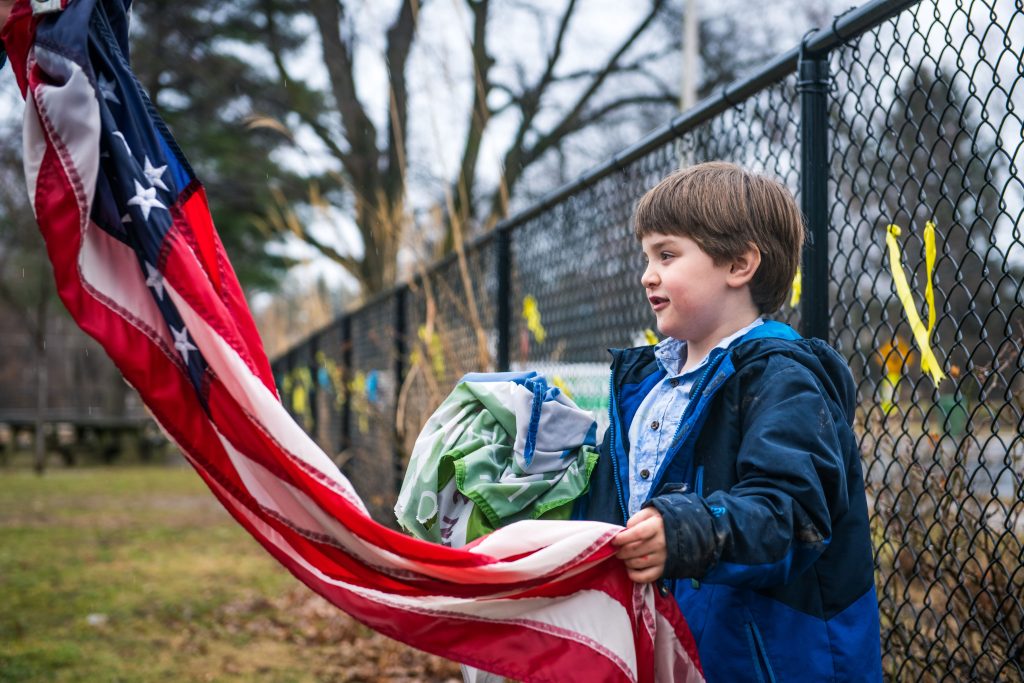
Kindergarten Through 2nd Grade
Wonder, Foundations & Discovery
The early elementary years should protect curiosity, not rush children away from it.
In Kindergarten through 2nd Grade, students build foundational academic skills through rich experiences that integrate literacy, mathematics, science, storytelling, movement, art, nature, play, and hands-on exploration.
Children at this age are learning how to read, write, count, question, observe, express ideas, solve problems, and participate meaningfully in community life. They are developing confidence not only as students, but as thinkers, friends, creators, and contributors.
Teacher/Researchers carefully observe each child’s development, offering the right balance of support, challenge, structure, and freedom as children grow in capability and confidence.
Learning often begins when children:
- ask questions
- experiment
- build
- create
- discuss
- observe
- revisit ideas over time
A K–2 morning might include collaborative storytelling, mathematical exploration with hands-on materials, nature journaling, dramatic play, artistic expression, scientific observation, outdoor discovery, and small-group project work woven across disciplines.
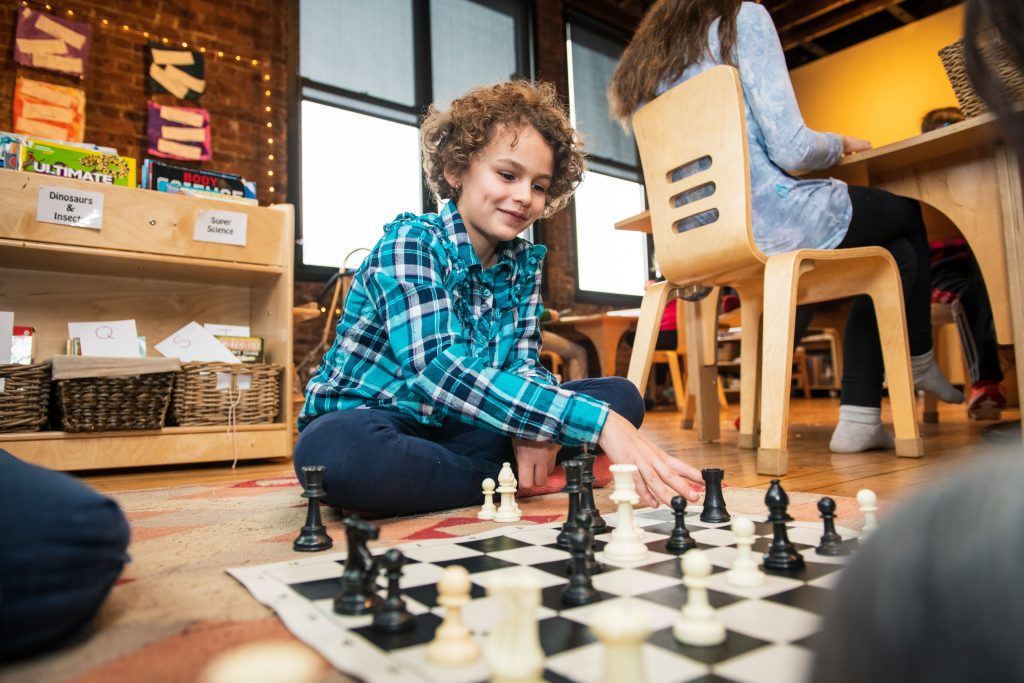
3rd Through 5th Grade
Inquiry, Independence & Intellectual Growth
As children grow, so does their capacity for deeper thinking, collaboration, reflection, and intellectual challenge.
In Grades 3–5, students engage more fully in long-term projects, research, discussion, writing, problem solving, and interdisciplinary investigations that require increasing independence, responsibility, and intellectual confidence.
Children at this age begin balancing a growing desire for independence with an ongoing need for reassurance, belonging, guidance, and meaningful connection. Relationships with peers become increasingly important, while students also begin developing stronger individual perspectives, interests, and identities.
Teacher/Researchers support students through this important developmental stage by creating environments that encourage curiosity, challenge, collaboration, resilience, and thoughtful risk-taking.
Students are encouraged to:
- defend ideas
- revise thinking
- ask better questions
- collaborate meaningfully
- take intellectual risks
- explore multiple perspectives
- connect learning across disciplines
As students grow, they begin to recognize that learning is not simply about finding answers, but about developing judgment, perspective, resilience, and increasing confidence in their own thinking.
Students engage more deeply in research projects, seminar-style discussions, writing workshops, collaborative investigations, scientific inquiry, mathematical reasoning, presentations, exhibitions, and outdoor experiential learning that strengthen both intellectual confidence and independence.
A Connected Learning Community
Growing Through Relationship, Responsibility & Meaningful Work
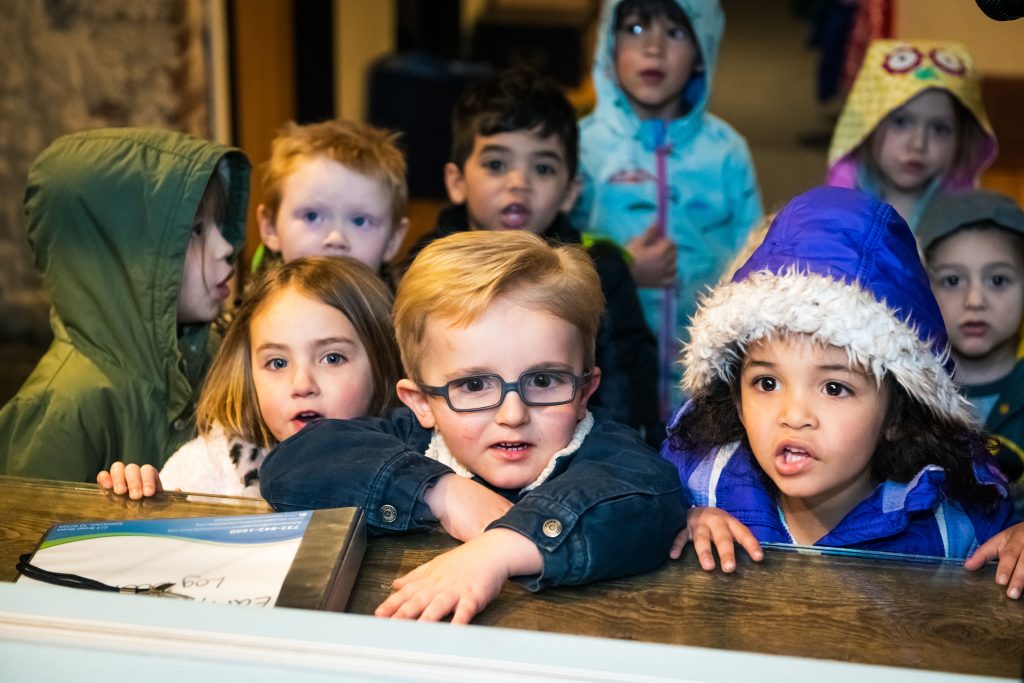
Relationships are central to life in Lower School.
Children grow within a community where they are known deeply by teachers and peers, encouraged to contribute meaningfully, and trusted with increasing responsibility over time.
Daily life at Voyagers’ includes collaboration, conversation, problem solving, leadership opportunities, outdoor experiences, classroom responsibilities, creative expression, and project-based learning that connects academic growth with real-world experiences.
Students learn not only how to think, but how to live and work alongside others with empathy, confidence, accountability, and respect.
As children move through the Lower School years, they begin to see themselves as capable contributors within a larger community. They learn to organize materials, manage responsibilities, support younger students, participate thoughtfully in discussions, navigate conflict, and increasingly take ownership of their learning and behavior.
Community life includes morning meetings, collaborative projects, classroom and community jobs, peer mentorship, leadership opportunities, outdoor exploration, and creative STEAM experiences that help children practice responsibility, contribution, and care for others.
Teacher-Researchers & Mentors
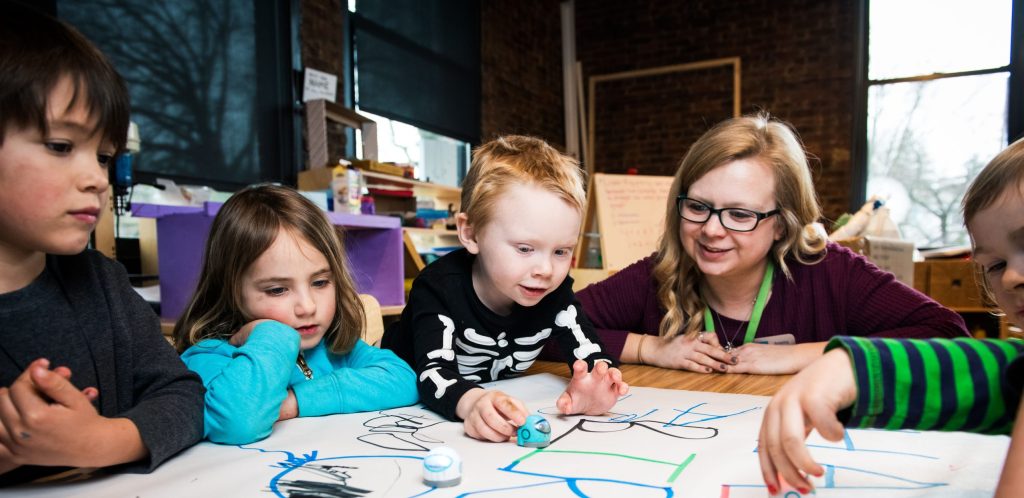
At Voyagers’, teachers serve as mentors, collaborators, observers, and guides. Educators listen closely to students’ questions, interests, and emerging ideas, thoughtfully designing experiences that deepen curiosity, strengthen thinking, and support authentic growth over time.
Add ONE supporting sentence below:
Relationships matter deeply within the Lower School years. Children are known well by the adults beside them, creating the trust and continuity that allow confidence, intellectual risk-taking, and independence to grow naturally.
Academics With Purpose
Deep Learning Across Disciplines
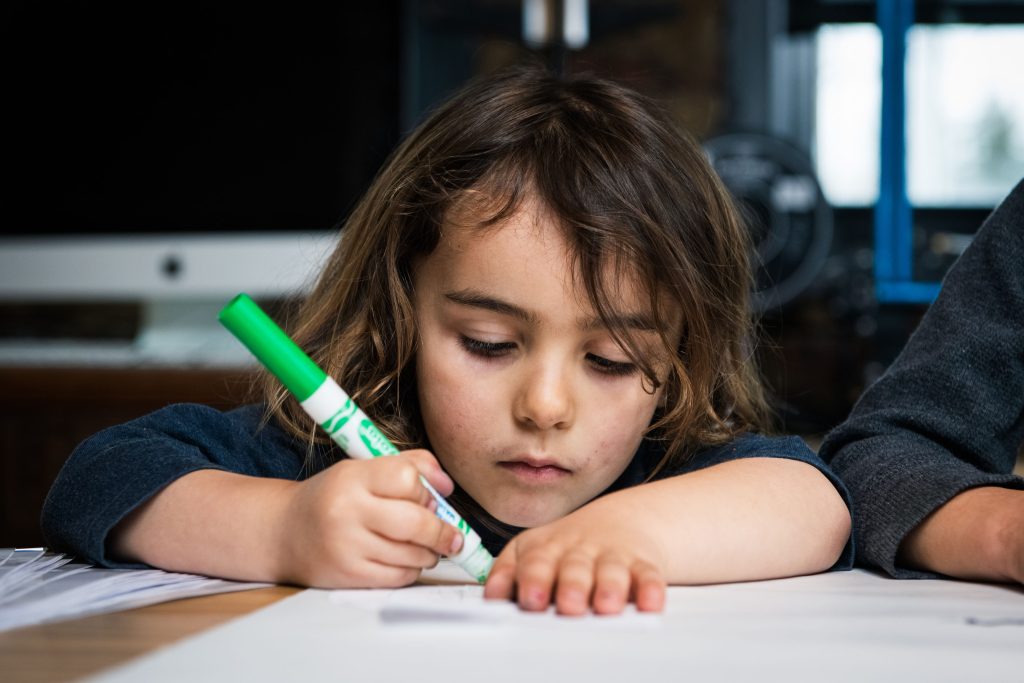
Academic learning at Voyagers’ is rigorous, integrated, experiential, and deeply connected to the real world.
Rather than treating subjects as isolated silos, students engage with literacy, mathematics, science, global studies, the arts, technology, and outdoor exploration through projects, investigations, discussion, experimentation, design, and meaningful application.
Children are encouraged to think critically, ask thoughtful questions, communicate ideas clearly, solve problems creatively, and apply learning across disciplines and experiences.
Literacy instruction emphasizes deep comprehension, expressive writing, discussion, storytelling, research, and increasingly sophisticated communication skills. Students read widely across genres while developing the ability to interpret, analyze, organize, and express ideas with growing confidence and complexity.
Mathematics instruction focuses on conceptual understanding, problem solving, reasoning, patterns, practical application, and mathematical thinking that extends beyond memorization or isolated procedures. Students use mathematics to investigate ideas, solve meaningful problems, interpret information, and better understand the systems that shape everyday life.
Scientific inquiry encourages observation, experimentation, hypothesis building, systems thinking, and evidence-based reasoning. Students investigate the natural world through hands-on exploration, experimentation, outdoor learning, engineering challenges, and collaborative inquiry.
Global studies experiences help children expand their understanding of people, cultures, systems, geography, history, citizenship, and the interconnectedness of the world around them. Students are encouraged to consider multiple perspectives, ask ethical questions, and understand their role within both local and global communities.
Art, music, dramatic expression, STEAM, movement, sign language, technology, and creative exploration are woven throughout the learning experience, allowing children to communicate ideas and understanding through many different symbolic languages
“Children learn best when they are trusted to question,
create, collaborate, experiment, and engage deeply
with the world around them.”
Sometimes Families Wonder…
Why does my child seem disengaged in school?
Why does learning feel disconnected from real life?
What if my child needs more movement, responsiveness, or intellectual challenge?
What if school could feel more connected to who they really are?
A visit is simply an opportunity to explore whether Voyagers’ Upper School feels like a place where your adolescent might grow in confidence, direction, belonging, and intellectual depth.
Ready to Visit?
The best way to understand Voyagers’ is to experience it firsthand. Schedule a conversation, ask questions, and explore whether our community feels like the right place for your child and family.