
Preschool
At Voyagers’ Community School Preschool, Located in Lincroft, NJ, children are deeply known, respected, and trusted as capable learners from the very beginning. Our mixed-age, relationship-driven environment allows learning to grow naturally through play, exploration, and meaningful connection. Rather than rushing children toward milestones, we create the conditions for confidence, independence, and joy to emerge—honoring each child’s pace, personality, and curiosity.
Our preschool program is inspired by the principles of Reggio Emilia and Montessori education, with a strong emphasis on the environment as teacher, gentle transitions, outdoor experiences, and close partnership with families. Children move through our classrooms as they grow, developing a strong sense of belonging, continuity, and trust.
Our Preschool Approach
Across all preschool classrooms, children experience:
- Warm, responsive relationships with consistent teachers
- A thoughtfully prepared environment that invites curiosity and exploration
- A predictable yet flexible daily rhythm shaped by children’s needs
- Time for movement, play, creativity, reflection, and rest
- Indoor and outdoor learning experiences throughout the day
- A gentle, respectful transition process for both children and families
Questions Families Often Ask Themselves
When families explore preschool options, they are often holding thoughtful, practical questions about what daily life will feel like for their child.
- Will my child be known as an individual—or lost in a large group?
- Will there be enough space, time, and freedom to move and explore?
- How experienced and supported are the teachers guiding my child each day?
- Will my child feel engaged, comfortable, and genuinely cared for?
These are meaningful questions—and an important part of choosing the right early learning environment.
To better understand how our preschool teachers think about care, learning, and daily life, we invite families to explore a classroom reflection below.
Nurturing Curious Eaters: A Holistic Approach from the Classroom and Beyond
A Gentle Beginning: Settling In
We use a Reggio Emilia–inspired Inserimento (settling-in) approach to support children and families during transitions. Teachers partner closely with parents through intake meetings and ongoing conversations, learning about each child’s routines, temperament, and needs. This shared understanding allows time for comfort, trust, and connection to develop naturally—for children and for parents as well.
Our Preschool Communities (6 months–5 years)
Explore the classroom stages below. Children move through our preschool community as they grow, supported by consistent relationships and gentle transitions.
Infants (6–17 months)
Secure attachment and sensory discovery
Explorers (18–26 months)
Independence, language, and joyful movement
Navigators (27-39 months)
Inquiry, collaboration, and growing confidence
Adventurers (3.5 – 5 years)
Leadership, initiative, and emerging independence
Our Preschool Educators
Our preschool classrooms are guided by educators who know young children deeply and build strong, trusting relationships with families.
Learning Within Our Preschool Communities
Infants (6–17 months)
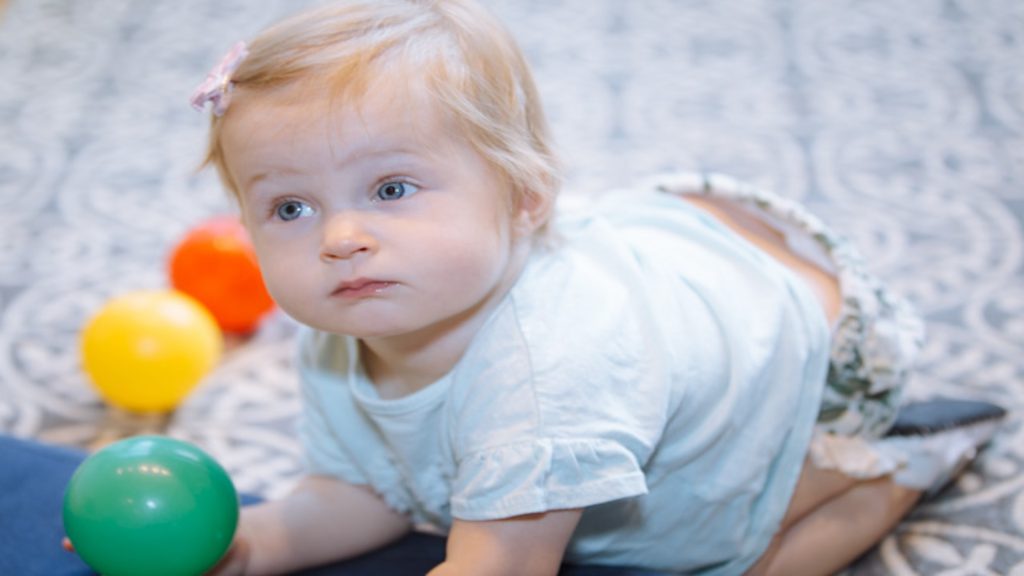
Our Infant Program offers a nurturing, relationship-centered environment where babies are cared for with intention, respect, and deep attentiveness. Each day includes individualized and small-group experiences that support sensory, physical, emotional, social, and cognitive development.
We intentionally keep our infant classroom very small, welcoming no more than four babies at a time. This allows educators to provide consistent, attuned care and to respond thoughtfully to each child’s rhythms, needs, and emerging interests.
Our infant program is far more than childcare. Even our youngest learners are engaged as whole people — supported through movement, sensory exploration, early communication, and secure, trusting relationships in a responsive learning environment.
What Infant Learning Looks Like at Voyagers’
At Voyagers’, learning begins through the body, the senses, and relationship. Infants spend their days moving freely—rolling, crawling, pulling up, cruising, listening, touching, and observing the world around them. Teachers respond moment-by-moment, extending curiosity through language, rhythm, repetition, and gentle invitation.
Learning is not rushed or scheduled into segments. Instead, infants experience long stretches of uninterrupted exploration, supported by attentive adults who know when to engage, when to observe, and when to simply be present.
Environment & Care
Our infant classroom is intentionally designed to support early development while honoring each child’s individual rhythms and needs.
- A calm, sensory-rich indoor environment that supports early motor development and exploration
- Open floor space, soft seating, and structures that invite rolling, pulling up, climbing, and early walking
- Daily indoor and outdoor experiences that support physical, emotional, and cognitive growth
- Intentionally small group size, allowing educators to offer consistent, attuned care and meaningful engagement throughout the day
- A personal crib for each infant, providing a safe and individualized sleeping space
Every aspect of the environment is prepared to help infants feel safe, capable, and deeply cared for.
Explorers (18–26 months)
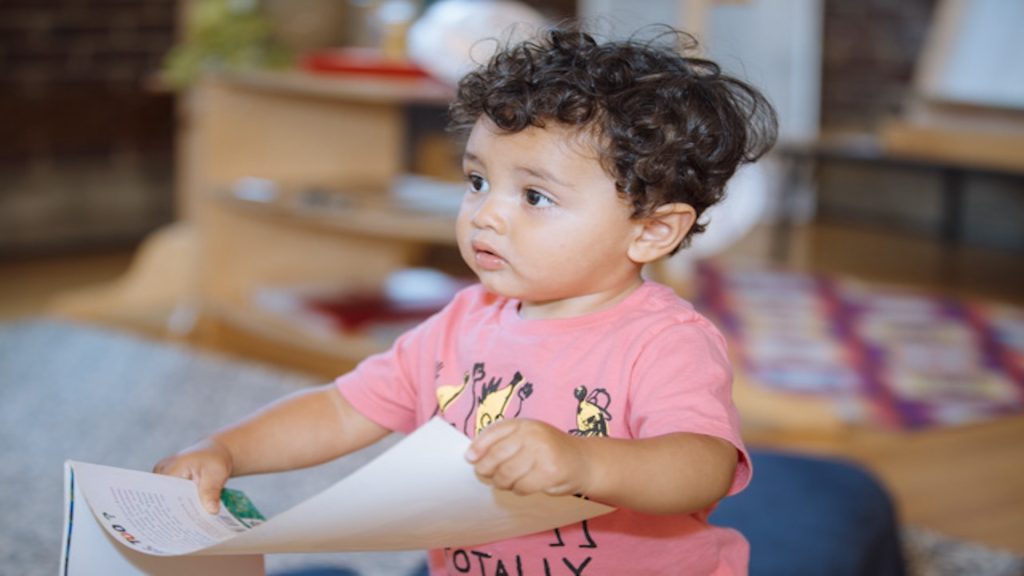
Explorers are busy discovering both the world and themselves. At this stage, children are developing a strong sense of independence while still relying deeply on consistent relationships, repetition, and routine. Our Explorers classroom supports this balance—honoring toddlers’ need for connection while encouraging emerging autonomy.
Children engage daily in rich sensory experiences, music and movement, early problem-solving, language development, and outdoor play. Teachers are present and responsive, guiding social interactions, supporting emotional expression, and helping children navigate new experiences with confidence and care.
What Learning Looks Like for Explorers at Voyagers’
Learning for Explorers is active, embodied, and relational. Children learn through their bodies—climbing, carrying, building, sorting, dancing, talking, and observing. Teachers listen closely to children’s cues and interests, responding with materials, language, and invitations that extend curiosity without rushing it.
Time is intentionally unhurried. Explorers are given space to repeat experiences, test ideas, and return to familiar work as they build understanding and confidence.
Environment & Care
- A flexible, responsive classroom designed for movement and exploration
- Soft seating and structures for climbing, pulling up, and developing gross motor skills
- Sensory-rich materials including sand, water, natural objects, and art media
- Music, instruments, books, and storytelling spaces that support language growth
- Daily indoor and outdoor experiences that support physical, emotional, and cognitive development
- Predictable routines with flexibility to honor individual rhythms
Every aspect of the Explorers environment is prepared to support trust, confidence, and joyful discovery.
Navigators (27–40 months)
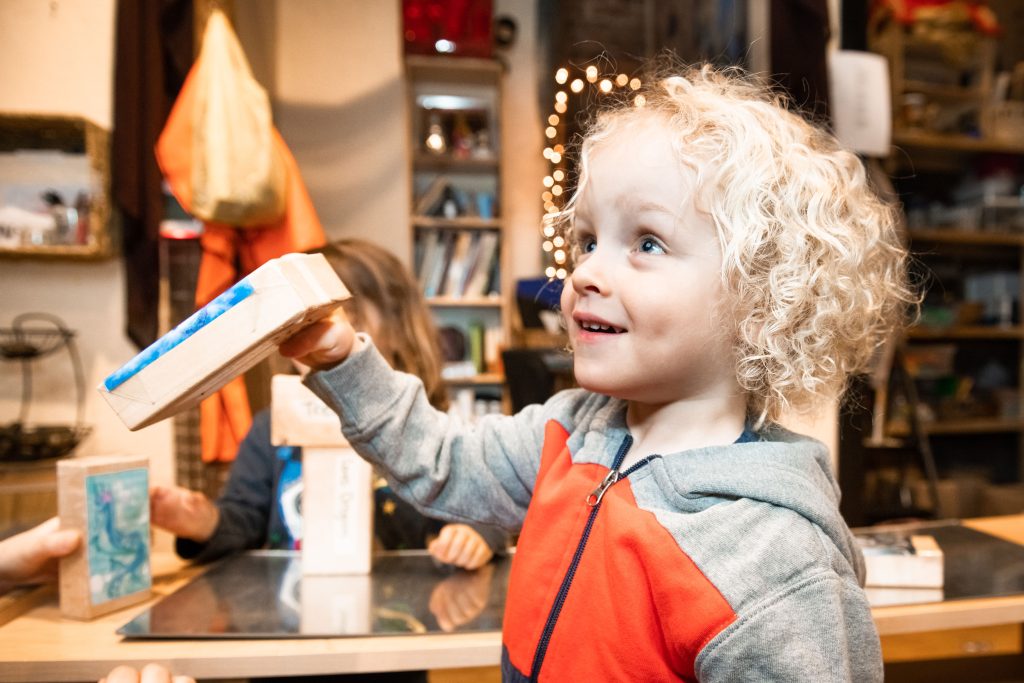
Navigators are increasingly curious, communicative, and capable. At this stage, children begin to deepen their thinking, expand language skills, and engage more intentionally with peers, materials, and ideas. Our Navigators classroom supports this growth through inquiry-based learning, collaboration, and meaningful play.
Children explore questions together, test ideas, and begin to see themselves as part of a learning community. Teachers introduce provocations—materials, questions, and experiences—that invite investigation and shared meaning-making.
What Learning Looks Like for Navigators at Voyagers’
Learning is co-constructed. Children observe one another, build on shared ideas, and explore topics over time through hands-on experiences, storytelling, dramatic play, early literacy, math, and science exploration.
Teachers serve as partners and guides—listening carefully, documenting learning, and designing experiences that respond to children’s emerging interests. There is time for focused work, collaboration, and reflection, allowing understanding to grow layer by layer.
Environment & Learning Experiences
- Inquiry-driven spaces that invite experimentation and collaboration
- Open-ended materials for building, sorting, creating, and storytelling
- Access to books, writing tools, math manipulatives, and scientific materials
- Outdoor learning areas including gardens, climbing structures, and natural play spaces
- Long-term projects that help children explore ideas from multiple perspectives
Navigators gain confidence as thinkers, communicators, and collaborators within a supportive, respectful community.
Adventurers (3.5–5 years)
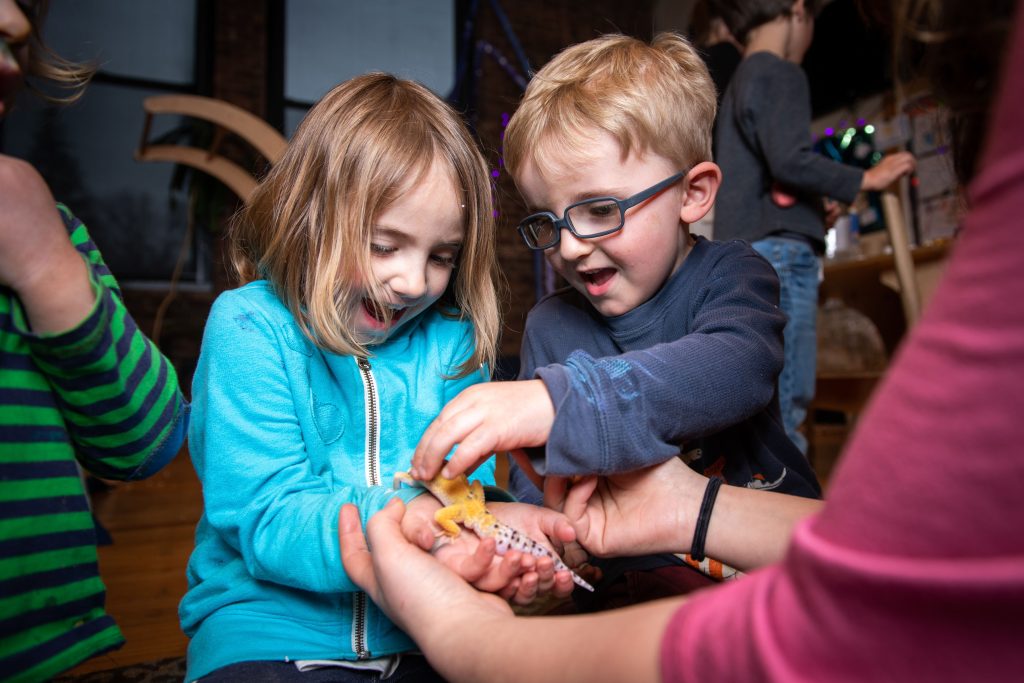
Adventurers are ready for deeper exploration, responsibility, and leadership within their learning community. This Pre-K experience supports children as they prepare for kindergarten and beyond—academically, socially, and emotionally—while honoring their individuality and curiosity.
Children engage in long-term projects, early literacy and math experiences, creative expression, and real-world connections. They begin to take greater ownership of their learning, make choices, and express ideas with clarity and confidence.
What Learning Looks Like for Adventurers at Voyagers’
Learning is purposeful and connected. Children investigate topics that matter to them, collaborate with peers, and communicate their thinking through many languages—drawing, building, writing, storytelling, movement, and conversation.
Teachers provide explicit instruction when appropriate while continuing to follow children’s lead. Reading, writing, math, and science are integrated into meaningful contexts rather than taught in isolation.
Environment, Curriculum & Community
- Project-based learning that grows from children’s interests
- Opportunities for leadership, collaboration, and problem-solving
- Rich materials for research, construction, artistic expression, and documentation
- Daily indoor and outdoor learning that supports focus, movement, and wellbeing
- Strong partnerships with families, supported through documentation and communication
Adventurers leave Voyagers’ with confidence, curiosity, and a strong sense of themselves as capable learners and community members.
Ready to Visit?
Choosing a school is a deeply personal decision. We invite families to visit, ask questions, and explore whether Voyagers’ feels like the right fit for their child.